Monday, 25 March 2013

The World needs teachers right now!!!!

This year we are asking students to create 'ideal teacher cutouts' to symbolise the 1.7 million teachers missing from classrooms worldwide.

Get all the materials you need, including the Lesson Plans (Didactic Units) here:


There are still more than 60 million children missing out on an education. It's time to remind world leaders of their promise to give every child an education by 2015. With just two years left, we are planning a huge global campaign to remind world leaders that 'Every Child Needs a Teacher'.

http://www.sendmyfriend.org/resource_type/fact-sheets/

The whole campaign in Spanish can also be found in:   http://cme-espana.org/

Wednesday, 19 October 2011

Tu desprecio será mi fuerza


Sé que me desprecias.
Siempre lo he sabido.
Me lo decían tu mirada y tus falsas promesas.

Cuando decías que yo para ti era una prioridad y que mi trabajo te importaba, sabía que me estabas mintiendo.
Ahora, ya es público tu desprecio.

Creo que en realidad me tienes miedo. Sabes que soy quien enseñará a leer a Hanna para que pueda estudiar Derecho, quien ayudará a que Luis aprenda un oficio y quien procurará que el padre y la madre de José Ignacio se interesen por sus estudios para que no abandone el instituto sin acabar la Secundaria. Sabes que soy el ascensor y soy la puerta. Sabes que soy una amenaza para tu poder porque vengo cargado de ideas y de palabras y a ti te da miedo que se piense y que se hable.

También conozco tu estrategia: sé que intentarás enfrentarme con los padres y las madres de mis propios estudiantes. Usarás los lugares comunes para intentar que no me apoyen. Buscarás dividirnos, segmentarnos, fragmentarnos. Pero no lo conseguirás.

Tú quieres construir una sociedad de consumidores obedientes y pagadores devotos mientras que yo procuro una sociedad de ciudadanos libres. Tú buscar dominar a todos sometiéndome a mí; yo busco liberarlos a pesar de ti. Tú crees que estoy solo y, sin embargo, yo sé que somos miles.

Muy pronto saldrás a la calle a pedir mi voto. No te creeré, porque sé que me desprecias, pero sí te doy un consejo: cuando vayas por la calle, mira la cara de la gente. Podrás verme en cada rostro porque dentro de nosotros siempre vive la maestra o el maestro que nos hizo libres.

De Fernando Trujillo

Thursday, 15 September 2011

Por la Enseñanza Pública

Estimadas Familias:
Esta carta pretende informarles acerca de la situación actual de la Enseñanza Pública en la Comunidad de Madrid y con la intención de buscar su apoyo y su mayor implicación posible. Cuando menos, su apoyo moral y su comprensión hacia la cosa de la Enseñanza Pública (con mayúsculas) y hacia quienes la hacemos posible con lo mejor de nosotros.
Esto es un texto extenso. Si no tiene tiempo de leer todo, quédese al menos con el MENSAJE PRINCIPAL, que es el siguiente:
Se está recortando en la Educación de sus hijos. Los profesores nos estamos movilizando para defender nuestra dignidad como trabajadores y la calidad de la Educación que damos, y quiero pedirle que aporte su granito de arena o, cuando menos, comprenda la situación y apoye al profesorado.
No es habitual que los docentes seamos tan directos en cuestiones como éstas, pero creo que la gravedad de la situación lo merece. También quiero dejar claro que esta carta no pretende hablar de política sino de Educación pero, por desgracia, la primera influye fuertemente sobre la segunda. No obstante, trataré de limitarme a exponer datos objetivos dejando para ustedes la reflexión en los planos no puramente educativos.
¿Qué es lo que está pasando?
El 4 de julio de 2011, coincidiendo casualmente con el periodo estival y cuando los centros educativos están prácticamente vacíos y, por tanto, sin forma de contacto directa con las familias, la Consejería de Educación de la Comunidad de Madrid ha dictado unas instrucciones dirigidas a los Institutos Públicos (no concertados ni privados) de ESO, Bachillerato, Formación Profesional y otros, que suponen un recorte sangrante de plantilla. Un recorte difícil de cuantificar, pero la mayoría de los equipos directivos de los centros lo han calculado en torno al 15%, unos 3.000 profesores en total. Esto significa que un instituto medio perderá 10-12 profesores de distintas materias. Es una barbaridad que ya se suma a otro recorte similar producido en el curso anterior y por el cual la plantilla general de docentes ya se redujo en más de 2.000 compañeros.
EN LA ESO Y EN EL BACHILLERATO el recorte se traducirá en:
· Eliminación de desdobles de Lengua, Matemáticas y otras materias.
· Desaparición de grupos reducidos de Inglés.
· Reducción del número y calidad de las optativas.
· Cierre de la biblioteca y de otros servicios.
· Peor funcionamiento de los medios técnicos, informática, audiovisuales…
· Reducción de las guardias de patio y de aulas. Sus hijos estarán menos vigilados (o no vigilados) en el recreo y ante la circunstancia de bajas por enfermedad, ya que dichas bajas se cubren tarde y mal.
· Reducción o eliminación de las actividades extraescolares.
· Aumento del número de alumnos por clase, superando en muchos casos los 30 alumnos por aula y en algunos niveles casi 40 alumnos por aula.
· Menor disponibilidad de los equipos de Orientación educativa/profesional.
· Reducción de la atención a alumnos con problemas de aprendizaje. Esto impacta directamente no solo sobre estos alumnos, que se quedan sin la atención más individualizada que necesitan, sino también sobre el resto, que inevitablemente verán lastrado su aprendizaje con un profesor que debe simultanear varias líneas de enseñanza: una con el grupo principal y otra por cada uno de los alumnos menos adelantados.
En la FORMACIÓN PROFESIONAL también tiene el mismo impacto, ya que esta se imparte en los mismos institutos que la ESO y el Bachillerato. En la FP se invirtieron muchos recursos para darle la dignidad que perdió y que merece. No hay que olvidar que Europa está insistiendo constantemente en la importancia de la FP. Pero estos recortes son un jarro de agua fría sobre un objetivo que poco a poco se va consiguiendo. Tienen, entre muchas otras, las siguientes implicaciones:
· Eliminación de ciclos de FP totalmente necesarios para regenerar el empleo y la tan mencionada productividad. La FP tiene que estar en los barrios y en los pueblos para llegar a todos. Se trata de una formación más local y cercana a las empresas y debe estar dispersa por el territorio.
· Masificación de alumnos en las aulas. Esto es especialmente grave en este nivel educativo en primer lugar porque el perfil del alumnado es en muchos casos uno que no ha triunfado en otros estudios más teóricos y que requiere una atención muy personalizada, y, en segundo lugar, por el carácter eminentemente práctico de la FP que requiere lo mismo.
· Dificultades para la autoformación de los profesores de FP, que son en gran medida autodidactas, al poder dedicar menos tiempo a esta tarea, mientras que en el ámbito de la FP la formación día a día es vital.
Por otro lado, también se ven afectadas las ESCUELAS OFICIALES DE IDIOMAS y las de ARTES PLÁSTICAS Y DISEÑO. Los recortes son brutales en todas las etapas educativas.
Además, en los centros de INFANTIL Y PRIMARIA ya se vienen arrastrando desde hace mucho tiempo problemas de masificación y falta de medios humanos que provocan un deterioro en la etapa Secundaria y siguientes. El deterioro es global y llega hasta el mercado laboral: si los niños no vienen con una buena base no se puede construir gran cosa sobre los conocimientos que traen.
Todas estas medidas ya están aprobadas de forma unilateral por parte de la Consejería (sin previa consulta o negociación con los centros ni con los mediadores sindicales), así que sólo cabe pedir que sean retiradas.
Esto se suma, además, a demasiados años de dejadez y abandono de los medios materiales, sistemas audiovisuales, salas de ordenadores, sistemas de calefacción, aire acondicionado (donde lo hay), internet…
¿Cuál es el motivo de los recortes?
El motivo que esgrime la Consejería es la necesidad de ahorro por la crisis. Pero:
En primer lugar, ahorro se lleva haciendo desde hace mucho tiempo por cuestiones como las enunciadas arriba. A este ahorro se suma, además, la bajada de sueldo conjunta de Gobierno Central y Autonómico.
En segundo lugar, paralelamente a estos recortes, valorados por la propia Consejera de Educación en 60 millones de euros, se están implantando ventajas fiscales para quienes estudian en centros privados que cuestan en torno a los 74 millones a la Comunidad, según datos publicados recientemente en la prensa de Madrid.
Por ello, parece que el motivo de los recortes en lo Público NO es el ahorro.
¿Y qué ocurre con las tutorías?
Otra de las instrucciones directas de la Comunidad de Madrid afecta gravemente a las tutorías. En un principio, la Consejería había decidido eliminar completamente la hora de tutoría con alumnos (no así en concertados ni privados, por supuesto). Después, ante la protesta del colectivo docente en pleno y las críticas de la opinión pública ante tamaño escándalo, dieron instrucciones de que en esas horas de tutoría los alumnos recibirían apoyo de Lengua, Matemáticas e Inglés. Han intentado enmendar esta chapuza mediante una orden que exige a los tutores realizar tutorías individualizadas con los alumnos, pero esto es algo que ya realizamos todos cuando es necesario, y de ningún modo sustituye a la tutoría grupal.
El perjuicio de cara a los alumnos es enorme. Con estas medidas, la labor tutorial queda completamente disminuida y no se podrán llevar a cabo algunas cuestiones de vital importancia en el desarrollo educativo y personal del alumno:
· Multitud de talleres que vienen realizándose todos los años sobre determinados temas transversales y educación en valores.
· Técnicas de estudio.
· Orientación académica y profesional.
· Interacción positiva de la clase y diagnóstico y solución de problemas.
· En general, la tutoría se convierte en un espacio de “ruegos y preguntas” muy necesario en los centros educativos.
Además, la supresión de la tutoría tampoco produce absolutamente ningún ahorro por lo que no somos pocos quienes pensamos que su motivación es evitar que puedan tratarse en clase temas que es necesario tratar. La tutoría lleva décadas así y funciona bien. Lo sabemos los profesores. No hay por qué cambiarla.
¿Qué son las horas de docencia directa?
La Consejería se ha dedicado a difamar datos sobre las horas de trabajo de los profesores en los que sólo habla de las horas de docencia directa, es decir, las horas que estamos físicamente delante de los alumnos. Sin embargo, hay muchas otras tareas igualmente importantes que es necesario realizar, y no solo la preparación de las clases sino muchas otras actividades complementarias que están perfectamente estipuladas por la legislación y en los horarios individuales de cada uno de nosotros.
No se dejen engañar. Esto es como si contáramos las horas que trabaja la Consejera de Educación en función del tiempo que está sentada en su escaño.
¿A quién afecta todo esto?
¿A quién afectan las medidas dictadas por la Consejería? Al menos:
· A los alumnos, que reciben una peor formación como estudiantes y como personas.
· A las familias, que verán cómo el tiempo de que disponemos los profesores para atenderles se reduce (­todavía más­ del que ya se redujo el curso pasado).
· A los profesores que actualmente conservan su trabajo, ya que, además de soportar una reducción previa de sueldo del 7%, soportan también un aumento en la carga de trabajo de más del 10%. En estas circunstancias no es posible trabajar con calidad en un ámbito en el que cada detalle cuenta.
· A los profesores que pierden su trabajo, que son, por ahora, los interinos. En realidad, esto supone una doble amoralidad, cuando menos: haber tenido trabajando como eventuales a miles de personas de forma continuada sin un contrato fijo y despedir ahora de golpe a 3.000 personas sin convocar un ERE (una cifra que hay que unir a la de los 2.200 despedidos el año pasado).
· A la sociedad, que pagará las consecuencias de la mala formación de los futuros trabajadores que deben levantar y mantener el país. El impacto de un curso desaprovechado se arrastra durante todos los estudios, igual que cuando un chico pincha en una asignatura un año en concreto y cuesta tanto recuperar el nivel en próximos años.
¿Qué va a hacer el profesorado al respecto?
Todo esto desmotiva y mina enormemente el ánimo de los profesores, que no dejamos de ser personas, y desvía nuestra atención y nuestros esfuerzos de lo que es importante de verdad, que no es otra cosa que educar y formar a sus hijos.
Nos estamos organizando para luchar contra estos despropósitos. Dadas las fechas, es muy difícil realizar acciones concretas. Una de las opciones que se baraja con más fuerza es la de la huelga indefinida a partir del 1 de septiembre o a partir del primer día de clase. Estoy seguro de poder decir en nombre de todos que sentimos sinceramente tener que recurrir a esta situación por los perjuicios que ocasionará pero lo creemos desgraciadamente necesario en el contexto actual. Estamos mirando a medio y largo plazo y luchando por el futuro de la Educación Pública y de nuestros alumnos. Esperamos que lo entiendan.
También luchamos, lógicamente, por nuestras condiciones como trabajadores pero por suerte o por desgracia la mayoría de nosotros se mueve en gran medida por vocación. Basta observar que la respuesta ante la situación actual no tiene nada que ver con la que se produjo ante la reducción de salario de un 7% de hace unos meses.
¿Y, ahora que lo sabe, qué va a hacer usted?
En esta situación ESPERAMOS CONTAR CON SU APOYO, y este es el principal objetivo de esta carta. Está en juego la educación de sus hijos, que están siendo ninguneados por la Consejería, con el agravante de que a los alumnos de la enseñanza concertada y privada no les afectan los recortes.
Los profesores necesitamos sentirnos apoyados por los padres y alumnos, verdaderos protagonistas del sistema educativo. Ante esta petición, por favor ignoren la imagen que puedan tener de los pocos profesores y maestros no válidos que puedan haberse encontrado. Tengan por seguro que en la Educación Pública de la Comunidad de Madrid, la enorme mayoría son profesionales implicados que se dejan la piel por los alumnos. Pero, así, en estas condiciones, nos ponen en una situación insostenible.
Estamos convencidos de que si estas movilizaciones tienen el apoyo de las familias la Consejería va a tener que rectificar en muy poco tiempo y se podrán reanudar las clases pronto. Es más, estoy seguro de que, una vez resuelta la situación muchos profesores lo daremos todo para recuperar el tiempo perdido. Yo el primero.
¿De qué forma concreta puede protestar?
Les animo a realizar por su propio interés, apoyen o no nuestras movilizaciones, la mayor cantidad posible de las siguientes acciones (¡o al menos una!):
· Pidan explicaciones a la Dirección de los institutos. Algunos han protestado enérgicamente. Otros, no tanto. Infórmense de qué ha hecho su instituto al respecto y pongan una queja allí mismo si no es suficiente.
· Pidan explicaciones e interpongan una reclamación por escrito en la Inspección Educativa. Todos los días hay un inspector de guardia con el que se puede hablar sin ningún problema ni implicación posterior. Están para atender a profesores, familias, etc. Los inspectores están en las Direcciones de Área Territoriales. Hay cinco: Norte, Sur, Este, Oeste y Capital. Infórmense de cuál es la que corresponde a su centro. Podrán encontrar fácilmente las direcciones y teléfonos en Google buscando “DAT Madrid Oeste”, por ejemplo.
· Pidan explicaciones y pongan una queja por escrito en la Consejería de Educación. También deben atenderles.
· Pidan explicaciones y pongan una queja por escrito en el 012, teléfono de la Comunidad de Madrid. Si tienen tarifa plana pueden llamar gratis al 915804260 –es lo mismo–. Marquen la opción 4: Educación.
· Pongan un escrito genérico quejándose de los aspectos que más les preocupen en cualquier “oficina de registro de la Comunidad de Madrid”. Busquen ese literal en Google: en el primer resultado de la búsqueda está el buscador de oficinas. En el segundo está el listado completo.
· Coordinen sus acciones con la AMPA. La del Blas de Otero, entre muchas otras, ya se está moviendo: ampaiesblasdeotero.wordpress.com
(*) Realizar las quejas por escrito es MUY importante, ya que lo verbal no consta en ningún sitio y se toma más a la ligera. No hace falta saber redactar como Cervantes: palabras llanas y claras son perfectas para hacerse entender. Pidan explicaciones y quéjense de la situación. Tienen todo el derecho del mundo y también el deber, si me lo permiten, ya que la Educación Pública es de todos: profesores, alumnos y familias.
Insisto: necesitamos su apoyo.
No dejen de quejarse por pensar que no vale de nada. Les aseguro que su participación es importantísima. Probablemente muchos de quienes reciban esta carta se preocupen por el asunto y empaticen con el profesorado. Eso ya es mucho. Pero si un pequeño porcentaje de las familias se presenta en la Consejería de Educación a pedir explicaciones, esta carta habrá triunfado. Formen parte de ese 1%, ó 10%, o, quién sabe, de esa mayoría que al menos pide explicaciones, y siéntanse orgullosos de haber puesto su granito de arena para el futuro de sus hijos.
Siéntanse libres de reenviar o fotocopiar esta carta a todas las familias interesadas en la Pública, de la guardería a la universidad. Es más, háganlo por favor.
Para información y noticias, googleen “recortes huelga educación madrid”.
Para terminar, quiero darles las gracias por tomarse el tiempo de leer este escrito y reitero mi malestar por las molestias que las movilizaciones puedan ocasionarles. Espero que entiendan su necesidad y se unan para que las movilizaciones tengan la menor duración posible y se restablezca el necesario ambiente de aprendizaje.
Reciban un afectuoso saludo de los profesores de la enseñanza pública de la comunidad de Madrid.

Monday, 25 October 2010

Hugs from Julio!

Still thinking of you lot!

Get my best regards from Campo Real, yo can still follow and find me at http://julioteacher.blogspot.com/

Take care!

Julio


Campo Real is a town just 39 km away from Madrid located by the eastern boundary of its metropolitan area,a town of recognised gastronomic prestige. It lies in the basin of the River Tajuña, very close to Arganda del Rey. It has a population of over 3,500 inhabitants.

It is well known for its high quality food products (olives, olive oil, and mainly its sheep cheese). Its church of Nuestra Señora del Castillo of a Romanic-gothic transition style dates back to the 12th century. In 1981 it was declared a provincial historic-artistic monument.

It is known that the definitive name of the municipality was coined in the late 16th century, during the reign of Felipe II.

The church of Santa María del Castillo was originally a Templar convent which dates back to the 12th c., and in 1981 it was declared a provincial historic-artistic monument. Recently restored, climbing the steps which access the temple offers a remarkable view of the surrounding area given the rise on which it stands. The other noteworthy architectural buildings in the town are also religious: the shrines of the Santísimo Cristo de la Peña, from the 18th c., and located close to the Plaza Mayor; that of Las Angustias, from one century earlier, on the outskirts of the village; and that of Nuestra Señora de los Remedios, also from the 16th c., which can be found at the entrance to the historic centre of the town.

In Campo Real you can visit the Museo de Alfarería (the Pottery Museum), a true storehouse of traditional rural instruments, which is ideal for reliving the more and more distant past of the area.

In Campo Real olives are the real protagonists and the town offers all the possible varieties of this product. However, it is the dressing which enhances the quality of the olives, and it is a dual process which sweetens them and dresses them via a very special and laborious use of garlic, thyme, fennel, oregano, bay leaf and onion. The olive, which was worthy of receiving the culinary distinction of the denomination of quality,awarded by the autonomous government of Madrid, is joined by sheep's cheese, virgin olive oil and extra virgin olive oil. And we must not forget the wines of Campo Real.

The fiestas of the municipality are very lively and it is worth paying them a visit: those of San Isidro are on 15 May; those of the Santísima Virgen de los Remedios on 8 September; and those of the Santísima Cristo de la Peña, from 13 to 18 September, are the main ones.

Thursday, 17 June 2010

Things to do in Summer


Here is a list of 50 things to do the next time you are bored!

1. Gather up a few friends, and have a picnic by the Jarama River.
2. Go on a walk and take pictures of trees, flowers, dogs, etc.
3. Buy some fashion magazines, pick out a couple of really cute outfits, and try to recreate them for less!
4. Help your parents or a friend.
5. Volunteer at the local animal or homeless shelter.
6. Clean your room!
7. Bake some cupcakes and deliver them to friends and family.
8. Play some childhood games like "Sorry", "Candyland", or "Pretty Pretty Princess".
9. Take your dog (or your neighbour´s)for a walk.
10. E-mail a friend you haven't spoken to in awhile.
11. Do 25 jumping jacks!
12. Look through old family scrapbooks, photo books, and yearbooks.
13. Make a root beer float.
14. Go to the movies with your siblings.
15. Go window-shopping with a friend.
16. Write a poem.
17. Make fresh, homemade fruit juice.
18. Give your dog (or yourself) a bath.
19. Make dinner for your family.
20. Baby-sit for a neighbor.
21. Have a sleepover party and watch scary movies.
22. Plan a vacation you want to take next summer.
23. Plant flowers in your yard.
24. Sign up for a class.
25. Have a long relaxing bubble bath... home or at the Jarama river!!!.
26. Make a mixed CD of your favorite songs and title it "The soundtrack of my life".
27. Order a pizza.
28. Splash around in a plastic kiddy pool.
29. Buy some crayons and a coloring book.
30. Read a book based on a movie you have seen.
31. Make a scrapbook of your baby pictures.
32. Get a job or an internship.
33. Start a diary and write in it everyday.
34. Spend the day at the library.
35. Draw a self-portrait.
36. Make a collage out of old magazines.
37. Run around in the sprinklers.
38. Go to a museum.
39. Go out for lunch with one of your parents... or teachers!.
40. Jump in the pool with your clothes on.
41. Eat last night's leftovers for breakfast.
42. Learn to sew or knit.
43. Invite friends over and have a tea party, British? Cool in Mejorada!!.
44. Swing on the swings at the park.
45. Tie-Dye a t-shirt or bed sheets with Kool-Aid!
46. Make a smoothie.
47. Learn how to define and spell 5 new words from the dictionary.
48. Make popsicles in your freezer.
49. Put on the radio and dance.
50. Go camping in the Parque Regional del Sureste, if police come, tell them you are mejoreña/o and the park is yours!!!

Monday, 31 May 2010

The Great Song of Indifference

I don't mind if you go
I don't mind if you take it slow
I don't mind if you say yes or no
I don't mind at all

I don't care if you live or die
Couldn't care less if you laugh or cry
I don't mind if you crash or fly
I don't mind at all

I don't mind if you come or go
I don't mind if you say no
Couldn't care less baby let it flow
'Cause I don't care at all

Na na na...

I don't care if you sink or swim
Lock me out or let me in
Where I'm going or where I've been
I don't mind at all

I don't mind if the government falls
Implements more futile laws
[Más Letras en http://es.mp3lyrics.org/ab6]
I don't care if the nation stalls
And I don't care at all

I don't care if they tear down trees
I don't feel the hotter breeze
Sink in dust in dying sees
And I don't care at all

Na na na ...

I don't mind if culture crumbles
I don't mind if religion stumbles
I can't hear the speakers mumble
And I don't mind at all

I don't care if the Third World fries
It's hotter there I'm not surprised
Baby I can watch whole nations die
And I don't care at all

I don't mind I don't mind I
don't mind I don't mind
I don't mind I don't mind
I don't mind at all

Na na na ...

I don't mind about people's fears
Authority no longer hears
Send a social engineer
And I don't mind at all!


Watch the Video

Thursday, 13 May 2010

Fluffy Garlic Mashed Potatoes


Servings : 8


Preparation Time :1:30

Ingredients:
1 large head garlic (split in half horizontally)
1 teaspoon of olive oil
3 large baking potatoes (peeled & quartered)
3 tablespoons of margarine
1 cup of low-fat milk or soymilk
salt (to taste)
1/4 teaspoon ground white pepper


Cooking instructions:


Preheat oven to 350 degrees.

Drizzle garlic with oil. Wrap securely in foil; roast 30 to 40 minutes, or until soft. Cool, then squeeze garlic out of skins; refrigerate. Discard skins. (If desired, garlic can be roasted the day before.)

Cover potatoes with water, add salt and bring to a boil. cover; cook 20 to 30 minutes, or until fork-tender. Drain; reserve cooking water. Mash potatoes well. Add garlic, margarine, salt, pepper and milk or soymilk. Whip potatoes, adding reserved cooking liquid 1/4 cup at a time until potatoes are fluffy and light but still hold shape.


Enjoy!!!

Why vegetarian?

Oftentimes when I meet someone they ask me why I’m a vegetarian (a vegetarian is someone who doesn't eat meat or fish, nor uses any animal products which mean pain). Before I list the reasons why I’ve chosen to be a vegetarian let me say that I don’t judge people who choose to eat meat. People make different choices for different reasons, and it is not my place to judge the choices that other people make. Just being alive is inevitably going to cause suffering. But anyway, here’s why I’m a vegetarian.

1) I respect animals, and I believe that a vegetarian diet causes less suffering than a diet centered around animal products. i find no pleasure in pain.

2) Animals are sentient creatures with their own wills and feelings, and it seems wrong to force our will onto another creature just because we’re able to.

3) A great deal of medical evidence points to the fact that a diet centered around animal products is terrible for you. Animal product based diets have been repeatedly proven to cause and exacerbate cancer, heart disease, diabetes, etc.

4) A vegetarian diet is materially more efficient than an animal product based diet. By that I mean that you can feed lots more people with grain directly than by feeding that grain to a cow and then killing the cow. In a world where people are starving it seems criminal to fatten up cows with grain that could be keeping people alive.

5) The raising of farm animals is environmentally disastrous. All of the waste from animal farming gets washed into our water supply, poisoning our drinking water and fouling our lakes, streams, and oceans.

6) Vegetarian food is nice to look at. Compare a plate with grains and fruits and vegetables to a plate with pigs’ intestines, chicken legs, and chopped up cows’ muscles.

So that’s pretty much why I’m a vegetarian. If for some reason you ever decide to become a vegetarian or a vegan, please do so carefully. Most of our conventional diets are so meat and animal product based that when we give up meat we don’t know what to replace it with.

Although a vegetarian or vegan diet is a million times healthier than a carnivorous diet, making the transition away from eating animals needs to be done wisely. Most health food stores and bookstores have good books that can help you to make the transition from an animal product based diet to a vegetarian or vegan diet.

Thursday, 6 May 2010

We asked foreigners many things about their trip to Spain, we asked about their country, their favourite food, the differences between their country and our country, and many more things …
The people interviewed were from different countries, like for example Russia, California, USA, Japan…
Each person spoke in a different way
We looked for foreigners in the Prado´s museum, Retiro park… we got profit from the morning’s work and we rode on a boat met a lot of people from other cultures…
After the interview we went to an exposition of photography.
We enjoyed very much with this excursion and learned more English, now we know what other people think of us, and of our culture, food…We would like to repeat this experience.

RS
NF
AG
PF

Monday, 3 May 2010

Song: Nightwish - End of all hope


http://www.youtube.com/watch?v=nQoOTXfxkRE&feature=related

NightWish -- End Of All Hope

It is the end of all hope
To lose the child, the faith
To end all the innocence
To be someone like me
This is the birth of all hope
To have what I once had
This life unforgiven
It will end with a birth

No will to wake for this morn
To see another black rose born
Deathbed is slowly covered with snow

Angels, they fell first but I'm still here
Alone as they are drawing near
In heaven my masterpiece will finally be sung

It is the end of all hope
To lose the child, the faith
To end all the innocence
To be someone like me

Wounded is the deer that leaps highest
And my wound it cuts so deep
Turn off the light and let me pull the plug

It is the end of all hope
To lose the child, the faith
To end all the innocence
To be someone like me
This is the birth of all hope
To have what I once had
This life unforgiven
It will end with a birth

Mandylion, without a face
Deathwish without a prayer
End of hope
End of love
End of time, the rest is silence

Mandylion, without a face
Deathwish without a prayer
End of hope
End of love
End of time, the rest is silence

It is the end of all hope
To lose the child, the faith
To end all the innocence
To be someone like me

This is the birth of all hope
To have what I once had

It is the end of all hope
To lose the child, the faith
To end all the innocence
To be someone like me

It is the end of all hope
To lose the child, the faith

End of all hope


"Nightwish is a symphonic metal band from Finland. They formed in July 1996 playing acoustic mood music. Tuomas Holopainen came up with the idea. He asked Tarja Turunen to sing and Emppu Vuorinen to play guitar.

It was not until the beginning of 1997 that the band started playing heavier music. Jukka Nevalainen joined to play the drums and they switched the acoustic guitar for the electric guitar. In May 1997, Nightwish signed a contract with Spinefarm Records and they released their first album 'Angels Fall First'.

In 1998, Sami Vänskä joined the band to play bass. This same year they released 'Oceanborn', which was much more complicated than 'Angels Fall First'.

In May 2000 they released 'Wishmaster', which was very similar to 'Oceanborn'. They also entered the competition to be Finland's entry for the Eurovision song contest with the song 'Sleepwalker'. They won the phone vote but the judges disagreed so they came second.

Tarja left the group in 2005 after their "End of an Era" tour. In 2007, Swedish singer Anette Olzon was chosen to be the new singer, and they released a single, Amaranth, and a few months later, a new album, Dark Passion Play."

  • Current Members:

  • Tuomas Holopainen - Keyboards

    • Emppu Vuorinen - Guitar

          • Jukka Nevalainen - Drums

            • Marco Hietala - Bass/male vocals

              • Anette Olzon - Vocals


Friday, 30 April 2010

Water for life decade


Water is essential for life. No living being on planet Earth can survive without it.
It is a prerequisite for human health and well-being as well as for the preservation of the environment.

However, four of every ten people in the world do not have access to a toilet; and nearly two in ten have no source of safe drinking water. Every year millions of people, most of them children, die from diseases associated with inadequate water supply, sanitation, and hygiene.


According to the World Health Organization, each and every day some 3,900 children die because of dirty water or poor hygiene; diseases transmitted through water or human excrement are the second-leading cause of death among children worldwide, after respiratory diseases.

Water scarcity, poor water quality, and inadequate sanitation negatively impact food security, livelihood choices, and educational opportunities for poor families across the world. Water-related natural disasters such as floods, tropical storms and tsunamis exact a heavy toll in human life and suffering. And all too regularly, drought afflicts some of the world’s poorest countries, exacerbating hunger and malnutrition.

Beyond meeting basic human needs, water supply and sanitation services, as well as water as a resource, are critical to sustainable development. It is a major source of energy in some parts of the world, while in others its potential as an energy source remains largely untapped.
Water is also necessary for agriculture and for many industrial processes. And in more than a few countries, it makes up an integral part of transport systems. With improved scientific understanding, the international community has also come to appreciate more fully the valuable services provided by water-related ecosystems, from flood control to storm protection and water purification.

Water challenges will increase significantly in the coming years. Continuing population growth and rising incomes will lead to greater water consumption, as well as more waste. The urban population in developing countries will grow dramatically, generating demand well beyond the capacity of already inadequate water supply and sanitation infrastructure and services. According to the UN World Water Development Report, by 2050, at least one in four people is likely to live in a country affected by chronic or recurring shortages of freshwater.

It seems there are more than few reasons to put water and sanitation at the top of the world’s agenda...

READ MORE: http://www.un.org/waterforlifedecade/spreadtheword.html

Monday, 19 April 2010

Listening!

This thursday we will try to work with this two pages and the stories we may listen to in them:

English and TV:
Do you remember we talked about the Southern accent of Sawyer in "LOST"?

Try: http://saberingles.com.ar/tv/index.html

The news:

From voice of America, listen to http://www1.voanews.com/english/programs/

Sunday, 11 April 2010

History of the Undersea Communications


The first submarine telegraph cable, laid by the brothers Jacob and John Watkins Brett between England and France in August 1850, was of simple construction - a copper conductor with gutta percha insulation and no armoring. It worked for only a day, then broke from chafing on rocks; another version says that the cable was hooked by a fisherman and destroyed, It quickly became apparent that cables needed to be armored to withstand not only the stresses of being laid and the risks of being damaged by fishing vessels, but also the predations of aquatic life.

The first wire ropes were made with iron wire, using the same manufacturing methods as for hemp rope. By 1834 wire ropes developed by the German engineer Wilhelm Albert were being used in the mines in Germany's Upper Harz district, and it was estimated that the additional manufacturing cost was more than covered by the much longer life of the wire rope over traditional hemp ropes. The new technology spread rapidly to Britain, and by the late 1830s there were a number of companies making wire rope.


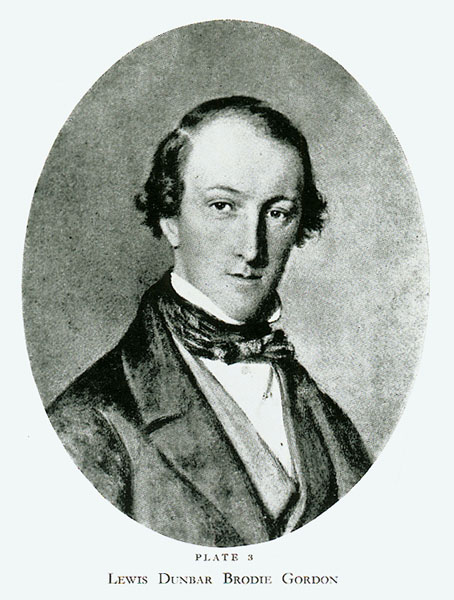
In 1837 Lewis Gordon, formerly an assistant to Brunel during the construction of the Thames Tunnel, made a career change to practical mining, and entered the Freiburg School of Mines in Germany, and then the Ecole Polytechnique in Paris. In 1838 he visited the mines at Clausthal in the Harz mountains, and met Wilhelm Albert. Impressed by what he saw, he wrote to his friend R.S. Newall in Britain on June 20th, 1838, urging him to "Invent a machine for making (wire ropes)".


Do you want to know more?


Friday, 12 March 2010

Miguel Delibes

Miguel Delibes Setién, 1920 - 2010 Valladolid–, Spanish novelist, short-story writer, and journalist. Born in Valladolid, Spain, Delibes studied law and economics and from 1945 was a professor of commercial law at the University of Valladolid, also working as a journalist.

He is known for his descriptions of rural life and for his psychological analysis of middle-lower-class characters.

Among his many works are La sombra del ciprés es alargada (1947), Diario de un cazador (1955), Smoke on the Ground (1962, tr. 1972), Five Hours with Mario (1966, tr. 1988), Diario de un jubilado (1995), and El hereje (1999).

He was awarded Spain's highest literary honor, the Cervantes Prize, in 1994.

He died today, may he rest in peace.

Learn more

Wednesday, 10 March 2010

New tools!

You have two new gadgets to use:

- Weather Forecast (check under the Newspapers)

- Drama plays, dialogues, etc (check the tools)

Enjoy them!:

The weather in the World

Dialogues

Thursday, 25 February 2010

Did you know?

Why is blue for boys and pink for girls?
In ancient times, it was believed that certain colors could combat the evil spirits that lingered over nurseries. Because blue was associated with the heavenly spirits, boys were clothed in that color, boys then being considered the most valuable resource to parents. Although baby girls did not have a color associated with them, they were mostly clothed in black. It was only in the Middle Ages when pink became associated with baby girls.

Go to the webpage: www.didyouknow.org

Watch the video: Did you kow?

Tuesday, 16 February 2010

Spanish Scientist, co-discoverer of the human oncogene

Mariano Barbacid Montalbán spent most of his professional career in the United States. In 1998, his return to Spain after a 24-year absence was greeted with extensive coverage in the media, not just in the medical trade press, but in the mainstream newspapers and magazines as well. His return, he said at the time, was not due to a sudden bout of homesickness but came after receiving an "offer no researcher could refuse".
The Spanish Minister of Public Health gave Barbacid the chance of heading a no-expense-spared national cancer research facility, the "Centro Nacional de Investigaciones Oncológicas Carlos III" (CNIO). With 100,000 square feet of lab space the center, the first of its kind in Spain, occupies an old disused hospital in Madrid, restored and converted at a cost of some $25 million and due to open in 2001. Meanwhile, his team's initial work was being carried out in borrowed lab space, with a grant from the pharmaceutical company Pfizer.

It is a personal triumph for Barbacid, co-discoverer of the human oncogene, who had criticized the lack of funding for cancer research. In modern Spain "this is one of the last remaining challenges", he has said. Half the center's annual budget of $30 million is paid out of Spain's National Health System and the other half from research grants.

Mariano Barbacid was born in Madrid in 1949. At age 25, shortly after receiving his doctorate in Science and with work offers from six American research centers, he moved to the United States. Between 1974 and 1988 Barbacid worked for the US National Cancer Institute in Maryland, first as a basic scientist investigating molecular and genetic oncology, and later carrying translational research into early diagnosis of cancer. In 1982 the team headed by Barbacid was one of three to first isolate a human oncogene, a major breakthrough which shed new light on the molecular basis of cancer.

Barbacid later worked for the Department of Molecular Biology at Bristol-Myers Squibb in Princeton, New Jersey, until March 1998 when, turning down another offer from the M. D. Anderson Cancer Center in Houston, Texas, he returned to Spain.

Wednesday, 10 February 2010

Biographies of important people

Rosa Louise Parks was nationally recognized as the "mother of the modern day civil rights movement" in America. Her refusal to surrender her seat to a white male passenger on a Montgomery, Alabama bus, December 1, 1955, triggered a wave of protest December 5, 1955 that reverberated throughout the United States. Her quiet courageous act changed America, its view of black people and redirected the course of history.

Mrs. Parks was born Rosa Louise McCauley, February 4, 1913 in Tuskegee, Alabama.

After the arrest of Rosa Parks, black people of Montgomery and sympathizers of other races organized and promoted a boycott of the city bus line that lasted 381 days. Dr. Martin Luther King, Jr. was appointed the spokesperson for the Bus Boycott and taught nonviolence to all participants. Contingent with the protest in Montgomery, others took shape throughout the south and the country. They took form as sit-ins, eat-ins, swim-ins, and similar causes. Thousands of courageous people joined the "protest" to demand equal rights for all people.


She was voted by Time Magazine as one of the 100 most Influential people of the 20th century.

Thursday, 28 January 2010

Interviewing a Foreigner:

Hello! Could I ask you a few questions?


1. Where do you come from? ________________________________________________________________

2. What did you think of Spain before your visit? (Have you been deceived or not?) ________________________________________________________________

3. How long have you been in Spain?/ How long have you planned to stay here? ________________________________________________________________

4. Why are you here in Spain? Why did you choose Spain? What things did you know about Spanish life, culture, sports… before coming? ________________________________________________________________

5. Who are you here with? ________________________________________________________________

6. What places have you already been to?/ What place do you already know about? ________________________________________________________________

7. What do you like most of Spain (from your experience or from your previous data)? ________________________________________________________________

8. What is the food that you enjoyed most (or you would like to try)? ________________________________________________________________

9. Are Spaniards too different to the people in your country? Which way? ________________________________________________________________

10. What do you think about bullfighting? ________________________________________________________________

11. What do you miss from your country? (food, people, landscape…) ________________________________________________________________

12. Are you planning to stay, would you visit Spain again? Why? ________________________________________________________________

13. What do people think in your country about Spain? ________________________________________________________________

14. Would you live here? Why? ________________________________________________________________


Thanks for your time!!!